


Department of Gastroenterology
The Department of Gastroenterology at Innocent Hearts Superspeciality Hospital, Jalandhar, offers comprehensive and specialised care for patients dealing with diseases of the digestive system, liver, pancreas, and biliary tract. We combine advanced endoscopic technology with the clinical expertise of a fellowship-trained gastroenterologist to deliver accurate diagnoses and effective treatments — all under one roof.
Whether you are seeking a trusted gastroenterologist in Jalandhar for a routine evaluation or need emergency intervention for a complex GI condition, our department is equipped to handle every stage of your care with precision and compassion.
Meet Our Specialist
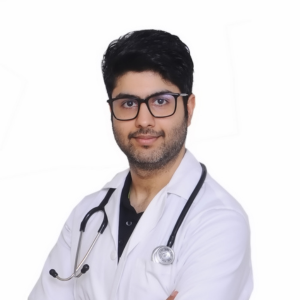
DR. ANKIT ANAND
MBBS, MD (Medicine)
DrNB (Medical Gastroenterology) AIG Hyderabad
Timing: 9:00 AM - 5:00 PM
Dr. Ankit Anand MBBS | MD (Medicine) | DrNB (Medical Gastroenterology) — AIG Hospitals, Hyderabad
OPD Timings: Monday to Saturday | 9:00 AM – 5:00 PM
Dr. Ankit Anand is a qualified Medical Gastroenterologist with super-speciality training (DrNB) completed from AIG Hospitals, Hyderabad — one of India’s most respected and high-volume centres for gastroenterology and hepatology. His training covers the full scope of modern GI medicine, from diagnostic endoscopy to advanced therapeutic procedures including ERCP, variceal banding, and endoscopic management of gastrointestinal bleeds.
With a strong foundation in internal medicine and deep sub-speciality expertise, Dr. Anand brings tertiary-level gastroenterology care to Jalandhar and the broader Punjab region. He is known for thorough clinical assessment, patient-centred communication, and precise procedural skills. Whether managing a chronic digestive disorder or an acute GI emergency, Dr. Anand’s approach is always evidence-based and outcome-focused.
Conditions We Treat
GERD and Acid Reflux Disease: Chronic heartburn, regurgitation, oesophagitis, Barrett’s oesophagus; and acid-related damage to the food pipe are managed through endoscopic evaluation and targeted medical therapy.
Irritable Bowel Syndrome (IBS): Abdominal pain, persistent bloating; and erratic bowel habits are carefully diagnosed and managed with lifestyle, dietary; and pharmacological strategies tailored to each patient.
Inflammatory Bowel Disease (IBD): Both Crohn’s disease; and ulcerative colitis require long-term specialist management. We provide accurate diagnosis through colonoscopy and biopsy; along with evidence-based medical and biological therapies.
Liver Disease and Jaundice: Hepatitis B and C; alcoholic liver disease; non-alcoholic fatty liver disease (NAFLD/NASH); liver cirrhosis; portal hypertension; and jaundice of various causes are evaluated and managed comprehensively.
Gallstones and Biliary Disorders: Gallbladder stones; common bile duct stones; bile duct strictures; and biliary obstruction are diagnosed via imaging and managed endoscopically through ERCP, where appropriate.
Pancreatitis — Acute and Chronic: Both acute pancreatitis, requiring ICU-level supportive care; and chronic pancreatitis with endoscopic or medical management fall within the scope of our GI department.
Gastrointestinal Bleeding: Upper GI bleeding (haematemesis, melaena); and lower GI bleeding are managed emergently with endoscopic haemostasis; band ligation; or injection therapy depending on the source and severity.
Colorectal Polyps and Cancer Screening: Colonoscopy-based screening; polypectomy for pre-cancerous polyp removal; and early colorectal cancer detection are an important preventive focus of our gastroenterology practice.
Peptic Ulcer Disease: Stomach and duodenal ulcers, H. pylori eradication, and prevention of ulcer recurrence are handled through endoscopic confirmation and targeted medical therapy.
Swallowing Disorders and Oesophageal Disease: Difficulty in swallowing, oesophageal strictures, achalasia, and motility disorders of the food pipe are evaluated and treated using endoscopy and related techniques.
Procedures Performed Here
Diagnostic Upper GI Endoscopy (OGD Scopy): Visual examination of the oesophagus, stomach, and duodenum to detect ulcers, inflammation, tumours, or bleeding sources.
Colonoscopy: Detailed inspection of the entire large intestine for polyps, inflammation, bleeding, or early malignancy. Performed under sedation for patient comfort.
ERCP — Endoscopic Retrograde Cholangiopancreatography: A specialised endoscopic procedure to diagnose and treat conditions of the bile duct and pancreatic duct, including stone removal, stent placement, and stricture dilation.
Variceal Band Ligation (EVL): Endoscopic banding of oesophageal or gastric varices to prevent life-threatening bleeding in patients with portal hypertension due to liver disease.
Enteroscopy: Deep endoscopic examination of the small intestine, typically used to investigate obscure GI bleeding, Crohn’s disease of the small bowel, or small intestinal tumours.
Polypectomy: Endoscopic removal of pre-cancerous or cancerous polyps from the colon or stomach, reducing the risk of colorectal and gastric cancer.
Endoscopic Haemostasis for GI Bleeding: Emergency and elective endoscopic control of active gastrointestinal bleeding using injection therapy, thermal coagulation, clips, or band ligation.
Comprehensive Gastro ICU Care Dedicated critical care for complex GI emergencies, including severe acute pancreatitis, acute liver failure, fulminant colitis, and post-procedural monitoring.
Advanced Therapeutic Endoscopy includes endoscopic mucosal resection (EMR), GI tract stenting, and other minimally invasive endoscopic interventions performed by our trained specialists.
Why Choose Our Gastroenterology Department
Diagnostic Upper GI Endoscopy (OGD Scopy): Visual examination of the oesophagus, stomach, and duodenum to detect ulcers, inflammation, tumours, or bleeding sources.
Colonoscopy: Detailed inspection of the entire large intestine for polyps, inflammation, bleeding, or early malignancy. Performed under sedation for patient comfort.
ERCP — Endoscopic Retrograde Cholangiopancreatography: A specialised endoscopic procedure to diagnose and treat conditions of the bile duct and pancreatic duct, including stone removal, stent placement, and stricture dilation.
Variceal Band Ligation (EVL): Endoscopic banding of oesophageal or gastric varices to prevent life-threatening bleeding in patients with portal hypertension due to liver disease.
Enteroscopy: Deep endoscopic examination of the small intestine, typically used to investigate obscure GI bleeding, Crohn’s disease of the small bowel, or small intestinal tumours.
Polypectomy: Endoscopic removal of pre-cancerous or cancerous polyps from the colon or stomach, reducing the risk of colorectal and gastric cancer.
Endoscopic Haemostasis for GI Bleeding: Emergency and elective endoscopic control of active gastrointestinal bleeding using injection therapy, thermal coagulation, clips, or band ligation.
Comprehensive Gastro ICU Care Dedicated critical care for complex GI emergencies, including severe acute pancreatitis, acute liver failure, fulminant colitis, and post-procedural monitoring.
Advanced Therapeutic Endoscopy includes endoscopic mucosal resection (EMR), GI tract stenting, and other minimally invasive endoscopic interventions performed by our trained specialists.
Frequently Asked Questions
Innocent Hearts Superspeciality Hospital on Nakodar Road, Jalandhar, is equipped for comprehensive gastroenterology care. The department is led by Dr. Ankit Anand, a DrNB-qualified gastroenterologist with advanced training from AIG Hospitals, Hyderabad. The hospital offers end-to-end GI services — from outpatient consultation and diagnostic endoscopy to complex therapeutic procedures and dedicated Gastro ICU care.
A gastroenterologist diagnoses and treats a wide range of digestive system and liver conditions. This includes GERD, IBS, Crohn’s disease, ulcerative colitis, fatty liver disease, hepatitis B and C, liver cirrhosis, gallstones, pancreatitis, peptic ulcers, GI bleeding, colorectal polyps, and early-stage gastrointestinal cancers. If you experience persistent abdominal pain, difficulty swallowing, unexplained weight loss, or blood in stool, consulting a gastroenterologist is strongly recommended.
Yes. ERCP is available at our Gastroenterology Department and is used to treat conditions involving the bile duct, pancreatic duct, and gallbladder — such as bile duct stones, strictures, and pancreatic ductal issues. ERCP at Innocent Hearts is performed by Dr. Ankit Anand, who has comprehensive procedural training in therapeutic endoscopy. In trained and experienced hands, ERCP is a well-established and safe procedure.
Colonoscopy is performed under conscious sedation, which means most patients experience little to no discomfort during the procedure. You may feel mild bloating for a few hours afterwards, which typically resolves on its own. Preparation involves a clear liquid diet the day before and a prescribed bowel cleansing prep. Our team will guide you thoroughly through every step of the preparation process to ensure comfort and safety.
You should consult a gastroenterologist if you experience recurring or persistent symptoms such as: abdominal pain or cramping, bloating that does not improve with standard treatment, blood in stool or vomiting blood, unexplained weight loss, difficulty swallowing, persistent diarrhoea or constipation, yellowing of eyes or skin (jaundice), or abnormal liver function test (LFT) reports. As a superspeciality hospital, Innocent Hearts ensures that complex or chronic GI issues receive the depth of specialist attention they require.