


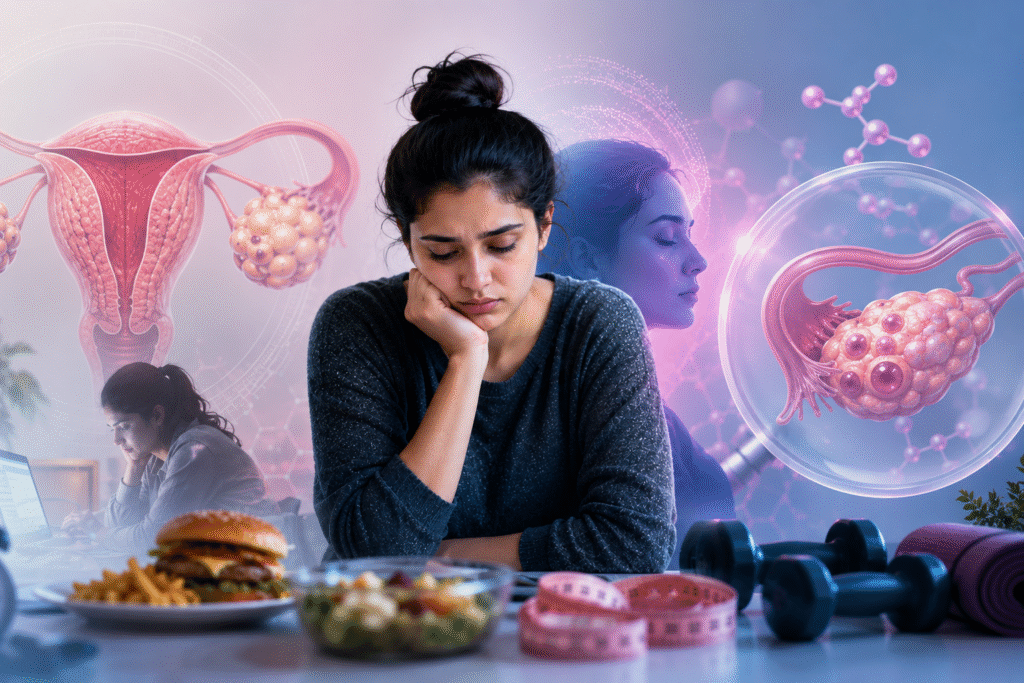
The Hidden Epidemic: Why PCOS NOW PMOS Is Increasing Among Young Women
The Hidden Epidemic: Why PCOS NOW PMOS Is Increasing Among Young Women For years, PCOS (Polycystic Ovary Syndrome) has been known as one of the most common hormonal disorders affecting women. However, healthcare professionals and researchers are now looking beyond the ovaries. Many experts now use the term PMOS (PolyMetabolic Ovary Syndrome) to better explain how this condition affects the entire body—not just the reproductive system. This shift in understanding is important because today’s young women are experiencing more than irregular periods or acne. They are also facing insulin resistance, weight gain, inflammation, fatty liver, high cholesterol, and an increased risk of diabetes at a much younger age. As lifestyles continue to change, this hidden epidemic is becoming more common than ever before. At Innocent Hearts Superspeciality Hospital, Dt. Harshika Chopra, M.Sc. Nutrition and Dietetics, believes that early lifestyle changes and personalized nutrition can play a major role in managing hormonal and metabolic health. 💡 Looking for an experienced Dietitian in Jalandhar? Get a personalized diet plan for PMOS today. Visit Website or Call 0181-2355200 Key Takeaways PMOS reflects a broader understanding of hormonal and metabolic health. Rising obesity, stress, poor sleep, and unhealthy diets are increasing its prevalence. Early diagnosis improves long-term outcomes. Nutrition plays a central role in managing symptoms. Regular exercise and healthy eating can significantly improve hormonal balance. Personalized guidance from qualified healthcare professionals supports long-term wellness. What is PMOS? PMOS stands for PolyMetabolic Ovary Syndrome. Unlike the traditional understanding of PCOS, PMOS focuses on the fact that this condition affects several body systems together. Instead of being only an ovarian disorder, PMOS highlights its connection with: Hormonal imbalance Insulin resistance Obesity Metabolic syndrome Fatty liver Heart health Fertility Mental well-being This broader understanding helps doctors treat the root cause rather than only managing symptoms. Why is PCOS Now Being Called PMOS? The term PMOS reflects the growing understanding that this condition is much more than cysts in the ovaries. Many women diagnosed with PCOS don’t actually have ovarian cysts. Instead, they experience metabolic disturbances that impact almost every part of the body. PMOS emphasizes that the condition affects: Blood sugar regulation Insulin levels Weight management Cholesterol Hormones Ovulation Long-term health This new perspective encourages earlier diagnosis and comprehensive treatment rather than focusing only on menstrual irregularities. Why is PMOS Increasing Among Young Women? The number of young women diagnosed with hormonal and metabolic disorders has increased significantly over the last decade. Several modern lifestyle factors are contributing to this trend. 1. Processed Foods and Sugar Fast food, sugary drinks, packaged snacks, and refined carbohydrates cause frequent spikes in blood sugar. Over time, this can lead to insulin resistance, one of the biggest drivers of PMOS. 2. Lack of Physical Activity Many teenagers and young professionals spend most of their day sitting. Less movement means: Reduced metabolism Weight gain Higher insulin levels Increased hormonal imbalance 3. Chronic Stress Academic pressure, work deadlines, emotional stress, and social media overload can disturb hormone production. Long-term stress increases cortisol, making PMOS symptoms worse. 4. Poor Sleep Habits Late-night scrolling, binge-watching, and irregular sleep schedules interfere with hormone regulation. Poor sleep also increases cravings and weight gain. 5. Rising Obesity Excess body fat increases inflammation and insulin resistance. This creates a cycle that makes hormonal imbalance even more difficult to control. Common Symptoms of PMOS Every woman may experience different symptoms. Some of the most common include: Irregular or missed periods Excess facial hair Acne Hair fall Weight gain Difficulty losing weight Mood swings Dark pigmentation around the neck Difficulty conceiving Fatigue Increased cravings Early diagnosis can help prevent long-term complications. Common Symptoms of PMOS PCOS vs PMOS Comparison PCOS vs PMOS PCOS PMOS Focuses mainly on ovarian function Focuses on the entire metabolic health Seen as a reproductive disorder Considered a hormonal and metabolic disorder Symptoms mainly include irregular periods and fertility issues Includes insulin resistance, obesity, diabetes risk, fatty liver, and heart health Ovaries are the primary concern Whole-body approach to treatment This broader understanding helps healthcare providers offer more personalized treatment plans. Why Nutrition is the First Step in Managing PMOS Food directly influences hormones. Poor eating habits increase insulin resistance, while healthy nutrition supports hormone balance. According to Dt. Harshika Chopra, M.Sc. Nutrition and Dietetics, eating the right foods consistently can improve metabolic health and reduce many symptoms associated with PMOS. Women looking for an experienced dietician in Jalandhar should focus on getting personalized nutritional advice instead of following crash diets or social media trends. Best Foods for PMOS Foods to Include & Reduce Balanced Eating for Better Health Choose foods that help stabilize blood sugar and reduce inflammation ✓ Include Green vegetables Seasonal fruits Whole grains Millets Oats Brown rice Lentils Beans Eggs Fish Lean chicken Greek yogurt Nuts Seeds Healthy fats ✕ Reduce Sugary drinks White bread Bakery products Deep-fried food Fast food Processed snacks Excess sweets Even small dietary improvements can produce noticeable health benefits over time. Lifestyle Changes That Make a Difference Simple daily habits can help improve hormone balance. ✔ Exercise for at least 30 minutes ✔ Sleep for 7–8 hours ✔ Stay hydrated ✔ Practice stress management ✔ Eat meals on time ✔ Avoid smoking ✔ Reduce sugary foods ✔ Maintain a healthy body weight Consistency matters more than perfection. Can PMOS Affect Fertility? Yes. Hormonal imbalance may affect ovulation, making conception more difficult. However, many women successfully conceive after improving their nutrition, weight, lifestyle, and following medical advice. Early intervention often leads to better reproductive outcomes. Why Early Diagnosis Matters Ignoring PMOS may increase the risk of: Type 2 Diabetes Fatty Liver Disease High Blood Pressure High Cholesterol Heart Disease Sleep Disorders Infertility Anxiety Depression Recognizing symptoms early allows timely management and reduces future health risks. Expert Nutritional Care at Innocent Hearts Superspeciality Hospital Managing PMOS requires a holistic approach that combines medical care with nutrition and lifestyle modifications. At Innocent Hearts Superspeciality Hospital, Dt. Harshika Chopra (M.Sc. Nutrition and Dietetics) provides individualized nutrition counselling to help women