


Innocent Hearts Superspeciality Hospital – Jalandhar

Innocent Hearts Superspeciality Hospital | The Human Touch

Author name: Admin

knee pain treatment
Blog

When Should You See a Doctor for Knee Pain? Expert Guide

Knee pain is one of the most common musculoskeletal complaints affecting people of all ages. Whether it develops gradually due to wear and tear or occurs suddenly after an injury, knee pain can interfere with walking, climbing stairs, exercising, and even routine daily activities. Many people ignore discomfort and hope it will go away on its own. While minor aches may improve with rest, some symptoms indicate an underlying condition that requires medical attention. Knowing when to see a doctor for knee pain can help prevent complications and improve treatment outcomes. At Innocent Hearts Superspeciality Hospital, our orthopedic specialists regularly treat patients suffering from knee injuries, arthritis, ligament damage, cartilage problems, and chronic joint pain. Early diagnosis often leads to faster recovery and better long-term joint health. What Is Knee Pain? Knee pain refers to discomfort, soreness, stiffness, or swelling occurring in or around the knee joint. It may result from injuries, arthritis, overuse, ligament tears, cartilage damage, tendon inflammation, infections, or underlying medical conditions. The knee is one of the body’s largest and most complex joints. It supports body weight while allowing movement during walking, running, jumping, and climbing stairs. Because of its constant use, the knee is particularly vulnerable to injury and degeneration. Request An Appointment Common Causes of Knee Pain in Adults Several conditions can lead to knee pain, including: 1. Osteoarthritis The most common cause of chronic knee pain in older adults. It occurs when cartilage gradually wears away, causing pain, stiffness, and reduced mobility. 2. Ligament Injuries Sports injuries and accidents can damage the ACL, PCL, MCL, or LCL ligaments, leading to pain, instability, and swelling. 3. Meniscus Tears The meniscus acts as a cushion between the bones. Twisting movements or sudden impacts may cause tears that result in pain and locking of the knee. 4. Tendinitis Inflammation of the tendons around the knee often develops due to repetitive activities such as running or jumping. 5. Bursitis Inflammation of fluid-filled sacs around the knee can cause swelling and discomfort. 6. Rheumatoid Arthritis An autoimmune condition that causes inflammation and joint damage. 7. Patellofemoral Pain Syndrome Often called runner’s knee, this condition causes pain around the kneecap during movement. 8. Fractures Trauma or falls may result in fractures around the knee that require immediate medical care. What Causes Knee Pain When Walking? Pain while walking may result from: • Osteoarthritis• Meniscus injuries• Ligament damage• Tendinitis• Knee misalignment• Cartilage wear• Patellofemoral syndrome Pain that interferes with walking should never be ignored, especially if it continues to worsen over time. Symptoms That Should Not Be Ignored While occasional discomfort may not be serious, certain symptoms require prompt evaluation. Seek medical attention if you experience: • Persistent pain lasting more than one week• Significant swelling• Difficulty walking• Reduced range of motion• Knee locking or catching• Instability or buckling• Redness and warmth around the joint• Fever along with knee pain• Pain following an injury• Sudden inability to bear weight When to Worry About Knee Pain Many patients ask, “When should I worry about knee pain?” You should be concerned if: Pain disrupts your daily activities. Swelling develops rapidly. The knee feels unstable. Symptoms continue despite rest. You hear a popping sound during injury. The knee becomes visibly deformed. Fever accompanies joint pain. Walking becomes difficult. These signs may indicate ligament injuries, fractures, severe arthritis, infections, or cartilage damage requiring professional treatment. Request An Appointment When Should You See an Orthopedic Doctor for Knee Pain? Consult an orthopedic specialist if: • Pain lasts longer than a few days.• Home treatments fail to provide relief.• Swelling repeatedly returns.• Mobility is becoming limited.• Knee pain affects work or exercise.• Previous injuries continue causing symptoms.• You suspect arthritis or joint degeneration. An orthopedic doctor in Jalandhar can evaluate the condition using physical examination, imaging studies, and diagnostic tests to identify the root cause. How Is Knee Pain Diagnosed? Diagnosis may include: Physical Examination Assessment of joint stability, swelling, tenderness, and range of motion. X-Rays Helpful for identifying arthritis, fractures, and alignment issues. MRI Scan Provides detailed images of ligaments, cartilage, tendons, and soft tissues. Blood Tests May be recommended if inflammatory arthritis or infection is suspected. Knee Pain Treatment Options Treatment depends on the underlying cause. Non-Surgical Treatments • Rest and activity modification• Physiotherapy• Anti-inflammatory medications• Knee braces• Weight management• Joint injections Surgical Treatments • Arthroscopic surgery• Ligament reconstruction• Meniscus repair• Partial knee replacement• Total knee replacement The treatment plan is tailored according to the patient’s age, activity level, and severity of the condition. Benefits of Early Treatment Early intervention can: • Prevent joint deterioration• Reduce pain faster• Improve mobility• Avoid complications• Delay or prevent surgery• Enhance quality of life Why Choose Innocent Hearts Superspeciality Hospital for Knee Pain Treatment in Jalandhar? Patients seeking knee pain treatment in Jalandhar benefit from: • Experienced orthopedic specialists• Advanced diagnostic facilities• Comprehensive rehabilitation services• Personalized treatment plans• Modern surgical techniques• Patient-centered care Whether you need conservative management or advanced orthopedic intervention, our team is committed to helping you return to an active and pain-free life. Frequently Asked Questions Which doctor should I show for knee pain? An orthopedic doctor specializes in diagnosing and treating knee pain, joint disorders, injuries, and arthritis. How long should I wait before seeing a doctor for knee pain? If pain lasts longer than a few days, worsens, or affects daily activities, you should seek medical advice. What causes knee pain when walking? Common causes include arthritis, ligament injuries, meniscus tears, tendon problems, and cartilage damage. Can knee pain go away on its own? Minor strains may improve with rest, but persistent or severe pain requires professional evaluation. How do I choose a knee specialist near me? Look for an experienced orthopedic specialist with expertise in diagnosing and treating both non-surgical and surgical knee conditions. Is knee pain always a sign of arthritis? No. Knee pain can result from injuries, tendon problems, infections, bursitis, or other medical conditions. Conclusion Understanding when should you see a doctor for knee pain is essential for

Warning Signs That Your Kidneys Are Not Working Properly
Blog

Warning Signs That Your Kidneys Are Not Working Properly

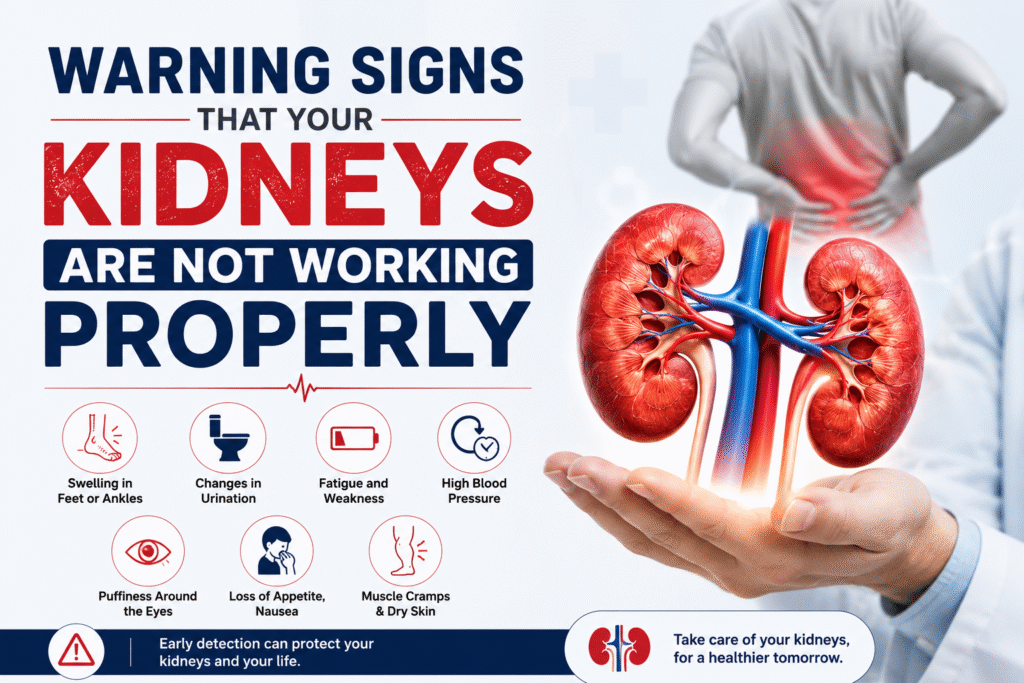
Your kidneys play a very important role in keeping your body healthy. They remove waste, balance fluids, control blood pressure, and help maintain overall health. But when the kidneys stop working properly, the body starts giving warning signs that should never be ignored. Many people ignore these early symptoms because they seem small or common. However, identifying kidney problems early can help prevent serious complications in the future. At Innocent Hearts Superspeciality Hospital, experienced doctors and kidney specialists help patients detect and manage kidney-related conditions at the right time. What Are the Signs Your Kidney Is Not Working Well? Here are some common warning signs that may indicate your kidneys are not functioning properly: 1. Swelling in Feet, Ankles, or Face One of the earliest signs of kidney problems is swelling in the body. When kidneys cannot remove extra fluid properly, fluid starts building up in tissues, especially in the feet, legs, ankles, hands, or face. If swelling happens regularly without any clear reason, it should be checked by a doctor. 2. Changes in Urination Changes in urination are often linked to kidney health. You may notice: Frequent urination, especially at night Foamy or bubbly urine Blood in urine Dark-colored urine Pain or burning while urinating Reduced urine output These symptoms can indicate kidney infection, kidney stones, or poor kidney function. 3. Constant Fatigue and Weakness Healthy kidneys help produce a hormone that supports red blood cell production. When kidneys are damaged, the body may develop anemia, leading to tiredness, weakness, low energy, and difficulty concentrating. Feeling exhausted all the time without a clear reason should not be ignored. 4. High Blood Pressure High blood pressure and kidney disease are closely connected. Poor kidney function can increase blood pressure, and uncontrolled blood pressure can further damage the kidneys. People with long-term hypertension should regularly monitor kidney health. 5. Puffiness Around the Eyes Persistent puffiness around the eyes can be a sign that protein is leaking into the urine due to damaged kidney filters. This symptom is often overlooked but may indicate early kidney disease. 6. Loss of Appetite and Nausea When waste products build up in the body due to poor kidney function, people may experience: Nausea Vomiting Bad taste in the mouth Loss of appetite These symptoms usually become more noticeable as kidney disease progresses. 7. Muscle Cramps and Dry Skin Kidney problems can affect the balance of minerals and nutrients in the body. This may cause muscle cramps, dry skin, itching, and discomfort. Frequent cramps without heavy physical activity may be linked to kidney health issues. Common Causes of Kidney Problems Several conditions can affect kidney function, including: Diabetes High blood pressure Kidney stones Kidney infections Excessive painkiller use Dehydration Family history of kidney disease Early diagnosis can help prevent severe kidney damage. When Should You Visit a Kidney Specialist? You should consult a doctor if you notice symptoms like swelling, changes in urination, fatigue, or persistent high blood pressure. Getting tested early can help detect kidney disease before it becomes serious. Blood tests, urine tests, and imaging scans are commonly used to evaluate kidney health. If you are looking for a trusted kidney hospital in Jalandhar or an experienced kidney specialist in Jalandhar, expert medical support is available at Innocent Hearts Superspeciality Hospital. Frequently Asked Questions (FAQs) What are the early signs of kidney disease? Early signs include swelling, fatigue, frequent urination, foamy urine, high blood pressure, and loss of appetite. How do I know if my kidneys are not functioning properly? Common symptoms include changes in urination, swelling in the body, tiredness, nausea, and muscle cramps. Can kidney problems cause back pain? Yes, some kidney conditions such as kidney stones or infections can cause pain in the lower back or side area. What causes kidney damage? Diabetes, high blood pressure, infections, dehydration, and long-term use of certain medicines can damage the kidneys. Can drinking more water improve kidney function? Proper hydration supports kidney health, but severe kidney disease requires medical treatment and evaluation. When should I see a kidney specialist? You should consult a kidney specialist if you experience swelling, urinary changes, or persistent high blood pressure. Can kidney disease be treated early? Yes, early diagnosis and proper treatment can help slow or manage kidney disease effectively. Conclusion Kidney disease often develops slowly, and many people do not notice symptoms in the early stages. Paying attention to warning signs such as swelling, tiredness, urinary changes, and high blood pressure can help protect your kidney health. Regular health checkups, proper hydration, healthy eating, and timely medical consultation can reduce the risk of serious kidney complications.

Cardiologist in Jalandhar at Innocent Hearts Superspeciality Hospital
Blog, Pulmonary Hypertension,

Advanced Diagnosis of Pulmonary Hypertension: Modern Tests for Early Detection

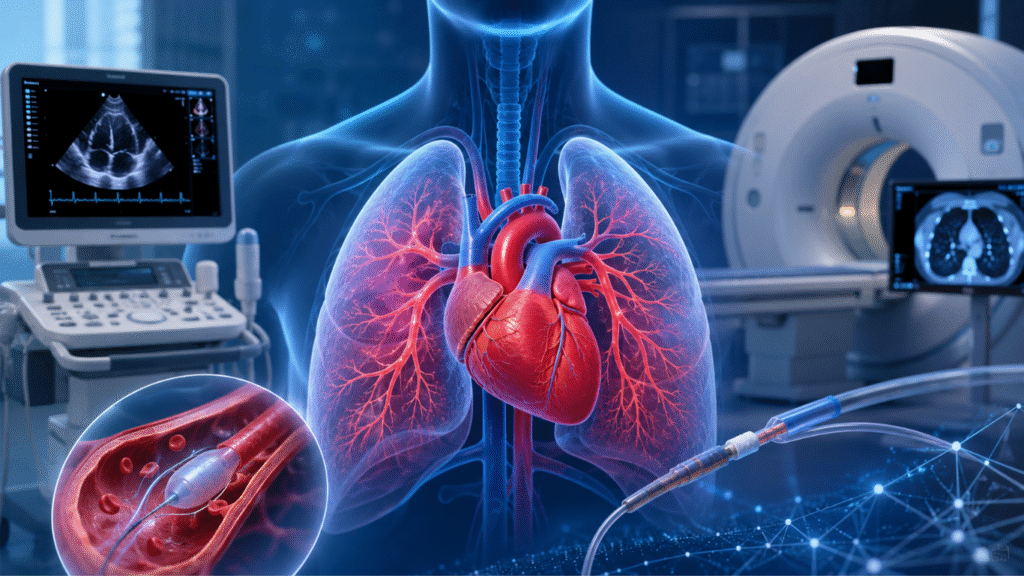
Pulmonary Hypertension (PH) is a serious heart and lung condition that often develops silently, making early diagnosis essential for effective treatment. This condition causes high blood pressure in the arteries of the lungs, forcing the heart to work harder and potentially leading to severe complications if left untreated. At Innocent Hearts Super Speciality Hospital, Dr. Vivek Rana, a leading Cardiologist in Jalandhar, emphasizes the importance of advanced diagnostic technologies for identifying pulmonary hypertension at the earliest stage. Understanding Pulmonary Hypertension Pulmonary hypertension is difficult to diagnose early because its symptoms—such as shortness of breath, fatigue, chest pain, dizziness, and swelling—can often resemble other heart or lung conditions. Many patients may not realize they have PH until the disease has progressed. That’s why modern medical evaluation and advanced testing play a crucial role in confirming the condition and identifying its underlying cause. Why Early Detection of Pulmonary Hypertension Matters Early diagnosis allows doctors to start treatment sooner, potentially slowing disease progression and improving quality of life. Dr. Vivek Rana at Innocent Hearts Super Speciality Hospital focuses on a detailed and technology-driven approach to detect PH accurately, assess heart and lung function, and guide personalized treatment plans. Advanced Diagnostic Tests for Pulmonary Hypertension 1. Blood Tests Blood tests are often the first step in evaluating pulmonary hypertension. These tests help identify possible causes of PH or detect complications related to heart and lung function. They may also reveal associated medical conditions or genetic factors. 2. Chest X-Ray A chest X-ray provides images of the heart, lungs, and chest structure. It can reveal enlargement of the right ventricle or pulmonary arteries, which may suggest pulmonary hypertension. This test also helps identify other lung diseases contributing to symptoms. 3. Electrocardiogram (ECG) An ECG is a non-invasive test that records the heart’s electrical activity. It helps doctors identify irregular heart rhythms and signs of right-sided heart enlargement or strain, which are often associated with PH. 4. Echocardiogram An echocardiogram uses sound waves to create moving images of the heart. This important screening tool allows doctors to evaluate heart chamber size, heart valve function, and blood flow through pulmonary arteries. It is one of the most commonly used tests for initial PH assessment. 5. Exercise Stress Test Exercise testing on a treadmill or stationary bike measures how well the heart functions during physical activity. It helps assess symptom severity and exercise tolerance, which can provide important clues about pulmonary hypertension progression. 6. Right Heart Catheterization Right heart catheterization is considered the gold standard for confirming pulmonary hypertension. During this procedure, a flexible catheter is inserted into a blood vessel and guided into the right side of the heart and pulmonary artery. This allows direct measurement of pulmonary artery pressure and helps determine the severity of PH. Advanced Imaging for Better Accuracy CT Scan (Computed Tomography) A CT scan creates detailed cross-sectional images of the chest, lungs, and blood vessels. It can identify blood clots, enlarged pulmonary arteries, and structural abnormalities that may contribute to pulmonary hypertension. Pulmonary Angiography This specialized imaging test uses contrast dye and X-rays to examine blood flow in lung arteries. It is particularly useful for detecting blockages or chronic blood clots. MRI (Magnetic Resonance Imaging) MRI provides detailed images of heart structure and function. It helps doctors assess the right ventricle’s performance and evaluate blood flow patterns without radiation exposure. Lung Function and Sleep Assessments Pulmonary Function Tests These tests measure lung capacity and airflow to detect underlying respiratory disorders that may lead to pulmonary hypertension, such as COPD or pulmonary fibrosis. Sleep Study Sleep apnea can contribute to pulmonary hypertension. A sleep study monitors oxygen levels, breathing patterns, and heart rate during sleep to detect obstructive sleep apnea or related breathing disorders. Ventilation/Perfusion (V/Q) Scan A V/Q scan checks air and blood flow in the lungs, helping doctors identify blood clots or circulation problems affecting lung function. Genetic Testing and Family Screening For patients with a family history of pulmonary hypertension, genetic testing may be recommended. Identifying inherited risk factors can support earlier diagnosis and preventive care for family members. Expert Pulmonary Hypertension Care in Jalandhar At Innocent Hearts Super Speciality Hospital, Dr. Vivek Rana combines advanced technology with expert cardiac care to diagnose pulmonary hypertension accurately and efficiently. His comprehensive approach ensures that every patient receives a thorough evaluation using modern diagnostic tools tailored to their symptoms and risk factors. When Should You See a Cardiologist? If you experience persistent shortness of breath, chest discomfort, dizziness, or unexplained fatigue, it is important to seek medical evaluation. Early consultation with an experienced cardiologist can make a significant difference in detecting pulmonary hypertension before it becomes severe. Frequently Asked Questions (FAQs) What are the early symptoms of pulmonary hypertension? Early symptoms of pulmonary hypertension often include shortness of breath, fatigue, chest pain, dizziness, rapid heartbeat, and swelling in the ankles or legs. Since these symptoms can mimic other heart or lung conditions, early medical evaluation is important.   Which test is most accurate for diagnosing pulmonary hypertension? Right heart catheterization is considered the gold standard for confirming pulmonary hypertension because it directly measures blood pressure in the pulmonary arteries and evaluates heart function accurately. Can pulmonary hypertension be detected through an echocardiogram? Yes, an echocardiogram is commonly used as an initial screening test for pulmonary hypertension. It helps assess heart structure, valve function, and pressure changes, though additional tests may be needed for confirmation. Why is early diagnosis of pulmonary hypertension important? Early diagnosis allows timely treatment, helps slow disease progression, improves quality of life, and reduces the risk of severe complications such as heart failure. Where can I get advanced pulmonary hypertension diagnosis in Jalandhar? Patients can consult Dr. Vivek Rana, Cardiologist in Jalandhar, at Innocent Hearts Super Speciality Hospital for advanced pulmonary hypertension diagnosis using modern cardiac imaging, lung assessments, and specialized heart testing. Conclusion Pulmonary hypertension is a potentially life-threatening condition, but advancements in medical technology have made early and accurate diagnosis more possible than ever. Through blood

World TB Day 2026
Blog

World Tuberculosis Day 2026: Symptoms, Causes, Prevention and Treatment of TB

World Tuberculosis Day 2026: Symptoms, Causes, Prevention and Treatment of TB On World Tuberculosis Day, the focus once again turns toward raising awareness about tuberculosis (TB)—a disease that is still affecting millions of people despite being preventable and curable. The aim of this day is not just awareness, but action—encouraging early diagnosis, proper treatment, and community support. At Innocent Hearts Superspeciality Hospital, we believe that the right information at the right time can save lives. With expert care from Dr. Arun Walia, an experienced pulmonologist in Jalandhar, patients receive accurate diagnosis and personalized treatment plans for faster recovery. What is Tuberculosis (TB)? Tuberculosis is an infectious disease caused by the bacteria Mycobacterium tuberculosis. It mainly affects the lungs but can also impact other parts of the body like the brain, spine, or kidneys. TB spreads through the air when a person with active TB coughs, sneezes, or even talks. However, not everyone infected becomes sick immediately—some people develop latent TB, where the bacteria remain inactive for a long time. Symptoms You Should Not Ignore TB often develops slowly, and many people ignore early warning signs. Here are some symptoms to watch out for: A cough lasting more than 2–3 weeks Coughing up blood or thick mucus Chest pain while breathing or coughing Sudden weight loss without reason Constant fatigue or weakness Fever and night sweats Loss of appetite If you notice these symptoms, it’s important not to delay medical consultation. Early diagnosis can make treatment much easier and more effective. Causes and Risk Factors TB is caused by bacteria that spread from person to person through the air. But certain factors increase the risk of developing active TB: ➤Weak immune system ➤Close contact with someone who has TB ➤Poor nutrition ➤Living in crowded or poorly ventilated spaces ➤Chronic conditions like diabetes Understanding these risk factors can help in early prevention and timely testing. How Can TB Be Prevented? Preventing TB is possible with simple but consistent steps: Get tested early if symptoms appear Cover your mouth while coughing or sneezing Ensure proper ventilation at home and workplace Use masks in high-risk environments Complete the full course of treatment if diagnosed Vaccination with BCG vaccine (especially for children) Awareness plays a big role here. On World TB Day, spreading correct information can help protect families and communities. Diagnosis and Treatment Options At Innocent Hearts Superspeciality Hospital, advanced diagnostic methods are used to detect TB at an early stage. These include: Chest X-rays Sputum tests Blood investigations The good news is that TB is completely curable. Treatment involves a course of antibiotics that usually lasts between 6 to 9 months. However, consistency is key—stopping medication midway can lead to drug-resistant TB, which is much harder to treat. With the expertise of Dr. Arun Walia, patients receive complete guidance and monitoring throughout their treatment journey. When Should You See a Specialist? If you or someone in your family has a persistent cough, unexplained weight loss, or ongoing fever, it’s important to get checked without delay. Early consultation can prevent complications and protect others from infection. You can visit Innocent Hearts Superspeciality Hospital for expert evaluation and care. FAQs About Tuberculosis (TB) 1. What is World TB Day 2026? World TB Day 2026 is observed on March 24 to spread awareness about tuberculosis and promote efforts to eliminate the disease globally. Is TB a serious disease? Yes, TB can be serious if not treated on time, but it is completely curable with proper medical care. How long does TB treatment take? Treatment usually lasts 6–9 months, depending on the patient’s condition and response to medication. Can TB spread easily? Yes, TB spreads through the air when an infected person coughs or sneezes, especially in close-contact environments. Who should consult a pulmonologist for TB? Anyone experiencing symptoms like persistent cough, fever, or weight loss should consult a specialist like Dr. Arun Walia for proper evaluation. Final Thoughts On this World TB Day 2026, take a step towards better health by staying informed and aware. TB is preventable, treatable, and curable—but only if addressed at the right time. For trusted care and expert guidance, rely on Innocent Hearts Superspeciality Hospital and experienced specialists like Dr. Arun Walia. Early action today can lead to a healthier tomorrow.

Blog

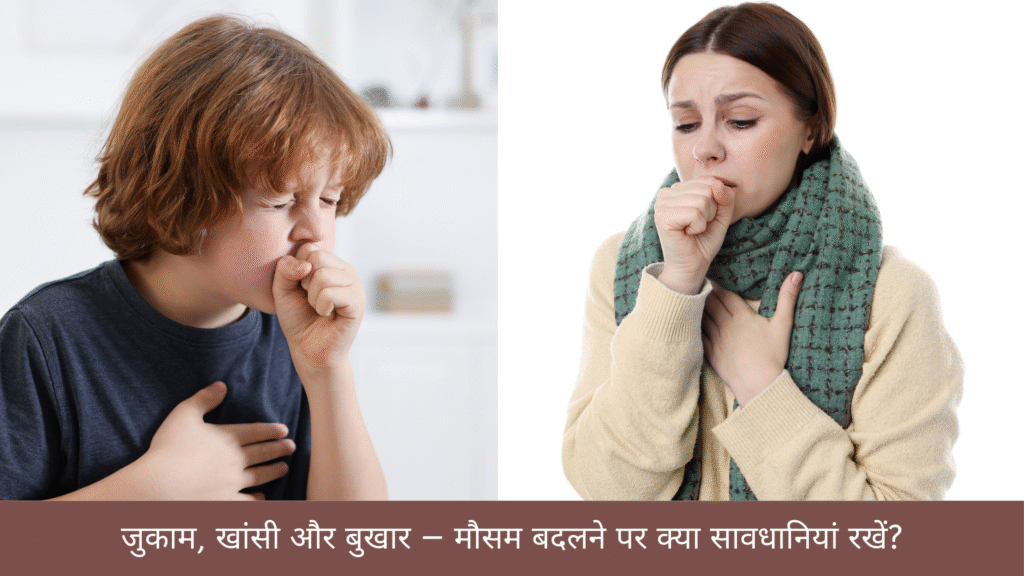
जुकाम, खांसी और बुखार — मौसम बदलने पर क्या सावधानियां रखें?

मौसम बदलने का समय अक्सर स्वास्थ्य के लिए थोड़ा चुनौतीपूर्ण हो सकता है। खासकर जब सर्दी से गर्मी या गर्मी से सर्दी का मौसम बदलता है, तब जुकाम, खांसी और बुखार जैसी समस्याएं तेजी से बढ़ सकती हैं। ऐसे समय में इम्यूनिटी मजबूत रखना बहुत जरूरी होता है। अगर आपको बेहतर इलाज और हेल्थ केयर की जरूरत है, तो जालंधर में स्थित Innocent Hearts Superspeciality Hospital, Jalandhar में विशेषज्ञ डॉक्टर से परामर्श लेना अच्छा विकल्प हो सकता है। यह अस्पताल  multispeciality hospital in Jalandhar में से एक माना जाता है। मौसम बदलने पर जुकाम, खांसी और बुखार क्यों होता है? मौसम बदलने पर शरीर को नए तापमान और वातावरण के अनुसार खुद को एडजस्ट करने में समय लगता है। इस दौरान वायरस तेजी से फैलते हैं, जिससे जुकाम, खांसी और वायरल बुखार की समस्या बढ़ जाती है। कमजोर इम्यूनिटी वाले लोगों और बच्चों-बुजुर्गों में इसका खतरा ज्यादा होता है। जुकाम, खांसी और बुखार से बचने के लिए सावधानियां इम्यूनिटी मजबूत रखें विटामिन C युक्त फल खाएं गर्म पानी पिएं हरी सब्जियों का सेवन करें साफ-सफाई का ध्यान रखें हाथ बार-बार धोएं भीड़-भाड़ वाली जगहों पर मास्क पहनें खानपान में सावधानी तला-भुना और जंक फूड कम खाएं हल्का और पौष्टिक भोजन लें पर्याप्त आराम करें नींद की कमी से इम्यून सिस्टम कमजोर होता है, जिससे संक्रमण का खतरा बढ़ जाता है। कब डॉक्टर से संपर्क करें? अगर नीचे दिए गए लक्षण दिखें तो तुरंत डॉक्टर से संपर्क करें: तेज बुखार जो 2-3 दिन तक कम न हो सांस लेने में दिक्कत लगातार खांसी शरीर में कमजोरी ऐसे समय पर सही इलाज के लिए multispeciality hospital in Jalandhar में विशेषज्ञ डॉक्टर से परामर्श लेना फायदेमंद हो सकता है। घरेलू उपाय भी मददगार हो सकते हैं अदरक वाली चाय पिएं शहद और गुनगुना पानी लें भाप लेने से राहत मिल सकती है लेकिन अगर लक्षण ज्यादा गंभीर हों तो self-treatment से बचें और विशेषज्ञ से सलाह लें। डाइट और लाइफस्टाइल टिप्स सुबह धूप में कुछ समय बिताएं ज्यादा ठंडे पेय पदार्थ से बचें योग और हल्की एक्सरसाइज करें FAQs मौसम बदलने पर सबसे ज्यादा कौन बीमार पड़ता है? बच्चे, बुजुर्ग और कमजोर इम्यूनिटी वाले लोग ज्यादा प्रभावित होते हैं। जुकाम और खांसी में क्या खाना चाहिए? गर्म सूप, फल, हरी सब्जियां और हल्का भोजन लेना चाहिए। वायरल बुखार कितने दिन रहता है? आमतौर पर 3 से 7 दिन में ठीक हो जाता है, लेकिन ज्यादा समय लगे तो डॉक्टर को दिखाएं। क्या मौसम बदलने पर मास्क पहनना जरूरी है? हाँ, इससे वायरल संक्रमण का खतरा कम होता है। कब अस्पताल जाना चाहिए? अगर तेज बुखार, सांस लेने में परेशानी या कमजोरी ज्यादा हो तो तुरंत डॉक्टर से संपर्क करें। निष्कर्ष मौसम बदलने पर जुकाम, खांसी और बुखार आम समस्या है, लेकिन सही सावधानी बरतकर इसे आसानी से रोका जा सकता है। अगर लक्षण ज्यादा समय तक बने रहें तो तुरंत इलाज कराना चाहिए। जालंधर में भरोसेमंद इलाज के लिए आप Innocent Hearts Superspeciality Hospital, Jalandhar में विशेषज्ञ डॉक्टरों से परामर्श ले सकते हैं, जहां आधुनिक चिकित्सा सुविधाएं उपलब्ध हैं।  

Blog

10 Warning Signs Your Kidneys May Not Be Working Properly

10 Warning Signs Your Kidneys May Not Be Working Properly Kidneys are vital organs responsible for filtering waste, balancing fluids, and maintaining overall health. However, many people ignore early warning signs of kidney problems until the condition becomes severe. Understanding these signs can help you seek timely care and prevent long-term complications. Here are 10 warning signs your kidneys may not be working properly: Changes in Urination Frequent urination, especially at night, or decreased urine output can indicate kidney dysfunction. Look for changes in color, foaminess, or blood in urine as well. Swelling in Legs, Ankles, or Feet When kidneys fail to remove excess fluid from the body, it can cause swelling in the lower extremities. Persistent puffiness around eyes may also occur. Fatigue and Weakness Healthy kidneys produce a hormone called erythropoietin that helps make red blood cells. Kidney issues can lead to anemia, causing fatigue and weakness. Shortness of Breath Fluid buildup due to kidney problems can accumulate in the lungs, making it hard to breathe. Persistent Itching When waste products accumulate in the blood due to poor kidney function, it can cause severe itching that doesn’t improve with lotions or creams. Nausea and Vomiting Toxins that are normally filtered by the kidneys may build up, leading to nausea, vomiting, and loss of appetite. Metallic Taste in Mouth A buildup of waste in the blood can leave a metallic taste or cause bad breath. Food may also taste different or less appealing. Trouble Concentrating Kidney dysfunction can lead to anemia and toxin accumulation, resulting in difficulty focusing, memory problems, or dizziness. High Blood Pressure Kidneys play a key role in regulating blood pressure. Unexplained high blood pressure may indicate underlying kidney issues. Pain in the Back or Sides Pain near the kidneys (just below the rib cage) can be a sign of infection, stones, or other kidney-related problems. When to Seek Help If you notice any of these warning signs, it’s crucial to get evaluated promptly. Early detection can make a significant difference in managing kidney disease. For advanced kidney treatment in Jalandhar, consult Innocent Hearts Superspeciality Hospital, where expert nephrologists provide comprehensive care to ensure your kidneys stay healthy.

Signs You Need a Root Canal Treatment
Blog

Signs You Need a Root Canal Treatment

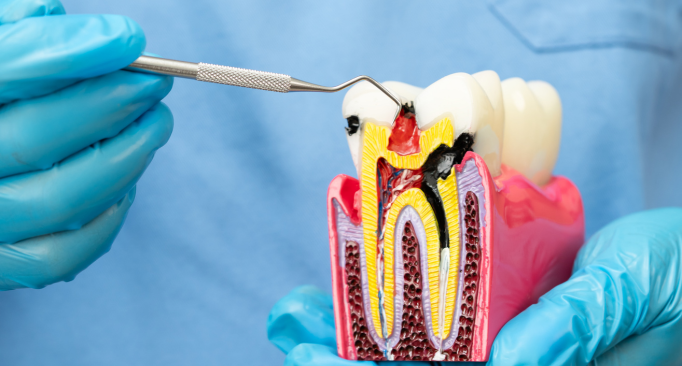
Signs You Need a Root Canal Treatment Tooth pain should never be ignored — especially when it keeps coming back or becomes worse at night. In many cases across Jalandhar and Punjab, people delay visiting a dentist until the pain becomes unbearable. However, severe or persistent tooth pain may indicate an infection inside the tooth that requires a root canal treatment. At Innocent Hearts Superspeciality Hospital, Jalandhar, our dental department is led by Dr. Mala Walia, Dentist in Jalandhar, who focuses on saving your natural tooth through safe, modern, and patient-friendly procedures. If you are unsure whether you need a root canal, this guide will help you understand the warning signs. What Is a Root Canal Treatment? A root canal treatment is a dental procedure used to remove infection from inside the tooth. It helps: Eliminate bacteria Relieve pain Prevent tooth extraction Stop infection from spreading If left untreated, the infection can spread to the surrounding gums, jawbone, or even cause facial swelling. 👉 If you are looking for Root Canal Treatment in Jalandhar early consultation is highly recommended. 7 Signs You May Need a Root Canal 1️⃣ Severe or Persistent Tooth Pain If you experience: Sharp pain while chewing Throbbing pain at night Pain spreading to the jaw or ear This could indicate nerve damage or infection. 2️⃣ Sensitivity to Hot and Cold If drinking tea, coffee, or cold water causes pain that lasts more than a few seconds, it may be a sign that the tooth pulp is infected. 3️⃣ Swollen or Tender Gums Swelling, redness, or a small pimple-like bump on the gums (abscess) near the painful tooth can indicate infection. 4️⃣ Tooth Discoloration A tooth that turns dark or grey may suggest internal damage to the pulp tissue. 5️⃣ Cracked or Chipped Tooth In regions like Punjab, where hard foods are commonly consumed, cracked teeth are frequent. A crack allows bacteria to enter the inner layers of the tooth, leading to infection. 6️⃣ Loose Tooth Infection can weaken the supporting bone structure, making the tooth feel slightly loose. 7️⃣ Persistent Bad Breath If bad breath does not improve even after brushing, it may be due to bacterial infection inside the tooth. Why Early Treatment Is Important Many patients in Jalandhar visit the dentist only when the pain becomes unbearable. However, early diagnosis: Saves the natural tooth Reduces treatment cost Prevents complications Minimizes pain At Innocent Hearts Superspeciality Hospital, advanced diagnostic tools and a sterile environment ensure safe and effective treatment. If you are searching for the best Dental Hospital in Jalandhar  timely dental care is essential. Is Root Canal Treatment Painful? Modern root canal procedures are not painful. Local anesthesia ensures the treatment is comfortable. Under the expert care of Dr. Mala Walia – experienced dentist in Jalandhar patients receive personalized and gentle treatment. Step-by-Step Root Canal Procedure Dental X-ray to assess infection Local anesthesia for comfort Removal of infected pulp Cleaning and disinfection Filling and sealing the canal Placement of crown (if required) Most treatments are completed within 1–2 visits. When Should You Visit a Dentist Immediately? Seek urgent dental care if you experience: Facial swelling Fever with tooth pain Pus discharge Pain not relieved by medication You can consult our advanced dental care in Jalandhar  for immediate evaluation. Frequently Asked Questions (Highly Searched FAQs) How do I know if I truly need a root canal? A dentist confirms the need through clinical examination and X-rays. Persistent pain, swelling, and infection are key indicators. What is the cost of root canal treatment in Jalandhar? The cost depends on the severity of infection, number of canals, and whether a crown is required. A proper consultation provides an accurate estimate. How long does a root canal procedure take? Typically, it takes 60–90 minutes per visit. Complex cases may require two appointments. Can antibiotics replace a root canal? Antibiotics may temporarily reduce infection but cannot remove infected pulp tissue. A root canal is the permanent solution. Is root canal treatment safe for elderly patients? Yes. When performed in a multispeciality hospital setting like Innocent Hearts Superspeciality Hospital, Jalandhar, it is safe even for patients with medical conditions. Final Thoughts Ignoring tooth pain can lead to serious complications. Early intervention can save your natural tooth and prevent unnecessary discomfort. If you live in Jalandhar or nearby areas of Punjab and need safe, ethical, and advanced dental care, consult Dr. Mala Walia at Innocent Hearts Superspeciality Hospital. Book an appointment today for Root Canal Treatment in Jalandhar  or visit our Dental Hospital in Jalandhar to learn more.

Best Dental Hospital in Jalandhar
Blog

How to Choose the Best Dental Hospital in Jalandhar

How to Choose the Best Dental Hospital in Jalandhar Oral health is an important part of your overall well-being. Whether you need a routine checkup, cosmetic treatment, or emergency care, choosing the right dental hospital in Jalandhar can make a significant difference in your treatment experience and results. With so many options available, patients often feel confused about which hospital to trust. Selecting the right dental facility requires careful consideration of expertise, technology, hygiene standards, and patient reviews. In this guide, we will help you understand how to make the best choice for your dental care needs. Check the Qualifications and Experience The first and most important factor is the experience and credentials of the dental team. A well-qualified dentist in Jalandhar should have recognized degrees, certifications, and hands-on experience in handling various dental procedures. If you are searching online for how to choose the best dentist for root canal treatment or experienced cosmetic dentist for smile makeover, always review the dentist’s background and specialization before booking an appointment. Look for Comprehensive Dental Services A reliable dental hospital should offer complete dental care under one roof. This saves time and ensures coordinated treatment if multiple procedures are required. Services to look for include: General dentistry Root canal treatment Dental implants Orthodontics (braces & aligners) Cosmetic dentistry Pediatric dentistry Gum treatment Oral surgery Many patients search for dental hospital offering advanced cosmetic dentistry services or best place for painless tooth extraction. A multi-specialty setup ensures you receive holistic care. Advanced Technology and Equipment Modern dental care depends heavily on technology. When choosing a dental hospital in Jalandhar, check if they use: Digital X-rays Intraoral scanners Laser dentistry 3D imaging Sterilized and updated equipment Patients often look for advanced dental implant treatment procedure explained or latest laser dental treatment benefits. Hospitals equipped with modern tools provide accurate diagnosis and comfortable treatment. Hygiene and Safety Standards Dental procedures require strict hygiene protocols. Ensure that the hospital follows proper sterilization processes and infection control measures. You can observe: Clean treatment rooms Use of disposable gloves and masks Proper sanitization of instruments Hygiene plays a crucial role in preventing complications and ensuring patient safety. Patient Reviews and Testimonials Online reviews give valuable insight into patient experiences. Look for feedback about: Doctor’s behavior Waiting time Treatment results Transparency in pricing If you are searching best dental hospital with positive patient reviews, reading testimonials can help you make a confident decision. Emergency Dental Care Availability Dental emergencies can happen anytime — severe toothache, broken tooth, bleeding gums, or injury. Choose a hospital that provides prompt emergency services. Many people search for what to do during sudden tooth pain at night or emergency dental care near me. Quick response and proper pain management are important features of a reliable hospital. Transparent Treatment Plans and Pricing A trustworthy hospital explains the diagnosis clearly and provides a detailed treatment plan. Patients should understand: Procedure steps Duration of treatment Expected results Estimated cost Transparency builds trust and avoids confusion later. Comfort and Patient Care Dental anxiety is common among patients. A professional dentist in Jalandhar should create a comfortable and friendly environment. Clear communication and compassionate care help patients feel relaxed during procedures. Many people search for how to overcome fear of visiting a dentist before booking an appointment. A supportive dental team makes the entire experience stress-free. Specialization in Cosmetic and Restorative Dentistry If you are considering smile enhancement, braces, or implants, check whether the hospital specializes in cosmetic and restorative treatments. Choosing a hospital with expertise in aesthetic dentistry ensures better outcomes. Personalized Treatment Approach Every patient’s oral health condition is unique. A good dental hospital provides customized care plans based on: Medical history Age Dental structure Lifestyle habits Personalized care ensures long-lasting results and better oral health management. Why Making the Right Choice Matters Choosing the right dental hospital in Jalandhar ensures: Accurate diagnosis Long-term dental solutions Reduced treatment complications Improved confidence Better overall oral health Regular checkups and preventive care reduce the risk of severe dental problems in the future. Frequently Asked Questions How do I choose the best dental hospital? Look for experienced dentists, modern technology, hygiene standards, positive patient reviews, and comprehensive services. What services should a good dental hospital provide? A good hospital should offer general dentistry, cosmetic treatments, implants, orthodontics, gum care, and emergency dental services. How often should I visit a dentist? It is recommended to visit a dentist every six months for routine checkups and cleaning. Is dental implant treatment safe? Yes, dental implants are safe and highly effective when performed by a qualified professional using modern technology. How can I reduce dental anxiety? Choose a friendly and experienced dentist, discuss your fears openly, and ask about painless or sedation dentistry options. Are cosmetic dental procedures permanent? Many cosmetic procedures offer long-lasting results, but maintenance and oral hygiene are essential. What should I do in a dental emergency? Contact a dental hospital immediately if you experience severe pain, bleeding, swelling, or a broken tooth. How do I know if a dentist is qualified? Check their educational background, certifications, years of experience, and patient reviews. Conclusion Selecting the right dental care provider is essential for maintaining a healthy and confident smile. By checking experience, technology, hygiene standards, and patient feedback, you can confidently choose the best dental hospital in Jalandhar for your needs. For comprehensive and advanced dental care, visit Innocent Hearts Superspeciality Hospital in Jalandhar. If you are looking for an experienced and compassionate expert, consult Dr. Mala Walia, dentist in Jalandhar, at a trusted dental hospital in Jalandhar for quality treatment and long-term oral health solutions.

When Should You Visit a Dentist for Tooth Decay?
Blog

When Should You Visit a Dentist for Tooth Decay Problems?

Tooth decay often begins quietly, without pain or visible damage, which is why many people delay treatment until the problem becomes serious. Visiting a dentist in Jalandhar at the right time can save your natural teeth, reduce treatment costs, and prevent complications that affect overall health. Tooth decay is not just a dental issue—it can interfere with eating, speaking, confidence, and even systemic health if ignored. This blog explains when you should see a dentist for tooth decay, the stages of decay, how cavities are treated, and whether decay can be reversed—so you can make informed decisions before it’s too late. What Is Tooth Decay and Why It Shouldn’t Be Ignored Tooth decay happens when bacteria in the mouth feed on sugars and produce acids that slowly erode the tooth enamel. Over time, this damage spreads deeper into the tooth, affecting dentin and eventually the pulp, where nerves and blood vessels are present. What makes decay dangerous is that early stages may not cause pain, allowing the damage to progress unnoticed. By the time discomfort starts, the tooth may already require extensive treatment. When Should I See a Dentist for Tooth Decay? You should visit a dentist as soon as you notice any change in your teeth or mouth, even if there is no pain. Early dental visits can stop decay from progressing and preserve your natural tooth. See a dentist immediately if you notice: Sensitivity to hot, cold, or sweet foods A visible brown, black, or white spot on the tooth Mild but recurring tooth pain Food getting stuck repeatedly in one tooth Bad breath that doesn’t improve with brushing Bleeding or swollen gums near a specific tooth If you are thinking “I can feel a hole in my tooth with my tongue,” that is already a clear sign of a cavity and should not be delayed. Stages of Tooth Decay You Should Know Understanding the stages of tooth decay helps you know why early treatment matters. 1. Enamel Demineralization White or chalky spots appear on the tooth. At this stage, decay can often be reversed with fluoride treatment and improved oral hygiene. 2. Enamel Decay The enamel begins to break down, forming small cavities. Professional dental treatment is required. 3. Dentin Decay Decay reaches the inner layer of the tooth, causing sensitivity and pain. Treatment becomes more extensive. 4. Pulp Infection Bacteria reach the nerve, leading to severe pain, swelling, or abscess. Root canal treatment or extraction may be needed. Can Tooth Decay Be Reversed? One of the most common questions people ask is: can tooth decay be reversed? Yes, but only in the earliest stage when enamel damage has just begun. Fluoride treatments, proper brushing, flossing, and diet control can help remineralize enamel. Once a cavity forms, decay cannot reverse on its own and requires dental treatment. Delaying care reduces the chance of saving the tooth naturally. How Do Dentists Fix Cavities? The treatment depends on how advanced the decay is. Dental fillings are used for small to moderate cavities Inlays or onlays may be used for larger damage Root canal treatment is needed if decay reaches the pulp Tooth extraction is considered only when the tooth cannot be saved Modern dentistry focuses on preserving natural teeth whenever possible. Why Ignoring Tooth Decay Is Risky Untreated decay can lead to: Severe infections and abscess formation Tooth loss Jawbone damage Spread of infection to other parts of the body Difficulty chewing and speaking What starts as a small cavity can quickly become a major health concern. Preventing Tooth Decay Before It Gets Serious Prevention is always better than treatment. You can reduce your risk by: Brushing twice daily with fluoride toothpaste Flossing once a day Reducing sugary snacks and drinks Drinking enough water Visiting a dentist regularly, even without pain Routine dental checkups help catch decay early—often before symptoms appear. Expert Dental Care in Jalandhar At Innocent Heart Superspeciality Hospital, patients receive comprehensive and ethical dental care guided by experience and modern technology. Under the supervision of Dr. Mala Walia, Dental Surgeon in Jalandhar, the focus is on early diagnosis, conservative treatment, and patient education. If you are looking for a trusted dental hospital in Jalandhar, timely consultation can help protect your smile and prevent long-term dental problems. Frequently Asked Questions (FAQs) When should I see a dentist for tooth decay? You should see a dentist as soon as you notice sensitivity, pain, discoloration, or feel a hole in your tooth, even if symptoms are mild. How do dentists fix cavities? Dentists treat cavities using fillings, root canal treatment, or other restorative procedures depending on the severity of decay. What are the stages of tooth decay? The stages include enamel demineralization, enamel decay, dentin decay, and pulp infection. Can tooth decay be reversed naturally? Early enamel damage can be reversed with fluoride and good oral care, but formed cavities require professional treatment. I can feel a hole in my tooth with my tongue. What should I do? This usually indicates a cavity. You should visit a dentist immediately to prevent further damage or infection. Conclusion Tooth decay should never be ignored, as early treatment can prevent pain, infection, and tooth loss. Paying attention to warning signs and visiting a dentist on time helps protect your oral and overall health. For expert care and timely treatment, Innocent Heart Superspeciality Hospital, a trusted dental hospital in Jalandhar, provides comprehensive dental services under the care of Dr. Mala Walia, Dental Surgeon in Jalandhar.

Best Hospital in Jalandhar
Blog

Best Hospital in Jalandhar: A Complete Guide for Patients

When it comes to health, every patient deserves the right care at the right time. Choosing the best hospital in Jalandhar is not just about advanced facilities but also about trust, compassionate doctors, and personalized treatment. In a city like Jalandhar, where the healthcare sector has grown tremendously, one hospital that has consistently earned people’s trust is Innocent Hearts Superspeciality Hospital. Why Choosing the Right Hospital Matters Selecting a hospital is one of the most crucial decisions a patient or family can make. From emergencies to long-term treatments, the choice can directly affect recovery and peace of mind. Jalandhar is home to many renowned hospitals, but patients today are looking beyond just infrastructure. They want: Expert doctors in every department Transparent and ethical medical practices Affordable healthcare with modern technology A hospital that treats patients like family And that’s exactly why people consider Innocent Hearts Superspeciality Hospital among the top hospitals in Jalandhar. 📞 Need immediate medical assistance? Call Innocent Hearts Superspeciality Hospital at 0181-2355200 Innocent Hearts Superspeciality Hospital – Where Care Meets Excellence Unlike many hospitals that focus only on numbers, Innocent Hearts prioritizes quality care. Every patient is given dedicated attention, with specialized teams for each department. This approach has helped the hospital gain recognition as one of the best multispeciality hospitals in Jalandhar. Key Features That Make It Stand Out: Advanced medical equipment and state-of-the-art facilities 24/7 pharmacy, ICU & ICCU services Patient-first approach with personalized treatment plans Affordable care without compromising on quality The hospital has gradually become a trusted name, not just because of its modern infrastructure but also because of the strong bond it builds with patients. Departments & Treatments Available At present, Innocent Hearts Superspeciality Hospital offers a comprehensive range of treatments, ensuring that patients don’t have to run from one hospital to another for specialized care. The major departments include: General Medicine – For routine health check-ups and common illnesses. Pulmonology – Specialized care for lung and respiratory diseases. Dental Care – Complete dental solutions with advanced techniques. Cardiology & Cardio Thoracic Surgery – Expert heart care with modern technology. Orthopaedics – Bone, joint, and sports injury treatments. Nephrology & Urology – Kidney and urinary system care. Neuro Surgery – Advanced treatment for brain and spinal disorders. Radiology – Accurate diagnosis with modern imaging systems. Trauma & Critical Care – Emergency services with quick response. ICU & ICCU – Critical care units equipped with latest monitoring systems. Surgery – General and specialized surgeries with experienced surgeons. Pharmacy (24/7) – Round-the-clock availability of medicines. 👉 If you are searching for the best hospital in Jalandhar for any of these services, Innocent Hearts is the right place to trust. Why Patients Prefer Innocent Hearts Superspeciality Hospital Patients in Jalandhar have plenty of options, but they choose Innocent Hearts because: The hospital offers a balance of affordability and quality. Doctors focus on treating patients with care, not rushing them. Transparency in treatment and billing builds confidence. Its reputation as a top hospital in Jalandhar comes from years of dedication. People often share that what makes this hospital different is the “personal connection” doctors and staff build with them, which is rare in today’s busy healthcare system. 📞 Book an appointment today at 0181-2355200 and experience the care that makes Innocent Hearts stand among the best. A Hospital That Truly Cares Innocent Hearts Superspeciality Hospital has always worked with a vision: to provide advanced healthcare that is accessible to everyone in Jalandhar and nearby regions. By combining expertise with compassion, the hospital has become a preferred choice for families who want a place where they feel safe and cared for. Whether it’s an emergency in the middle of the night, a planned surgery, or routine health check-ups, patients know they are in the right hands. Final Thoughts Healthcare in Jalandhar has made rapid progress, and patients today have access to world-class facilities. Still, finding the best hospital in Jalandhar comes down to trust, quality care, and affordability. Innocent Hearts Superspeciality Hospital brings all of these together, making it one of the top hospitals in Jalandhar. For patients seeking reliable treatment across multiple departments, it remains the best multispeciality hospital in Jalandhar, committed to delivering excellence with compassion.

Scroll to Top

Need help? Request a call back Our team will contact you on workings hours 10 AM to 12 PM