


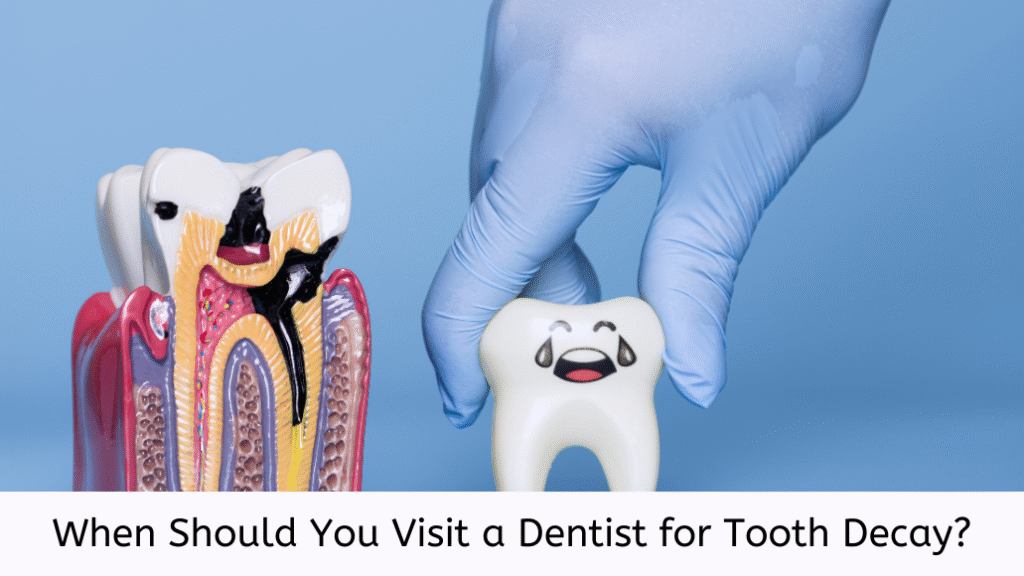
Tooth decay often begins quietly, without pain or visible damage, which is why many people delay treatment until the problem becomes serious. Visiting a dentist in Jalandhar at the right time can save your natural teeth, reduce treatment costs, and prevent complications that affect overall health. Tooth decay is not just a dental issue—it can interfere with eating, speaking, confidence, and even systemic health if ignored.
This blog explains when you should see a dentist for tooth decay, the stages of decay, how cavities are treated, and whether decay can be reversed—so you can make informed decisions before it’s too late.
What Is Tooth Decay and Why It Shouldn’t Be Ignored
Tooth decay happens when bacteria in the mouth feed on sugars and produce acids that slowly erode the tooth enamel. Over time, this damage spreads deeper into the tooth, affecting dentin and eventually the pulp, where nerves and blood vessels are present.
What makes decay dangerous is that early stages may not cause pain, allowing the damage to progress unnoticed. By the time discomfort starts, the tooth may already require extensive treatment.
When Should I See a Dentist for Tooth Decay?
You should visit a dentist as soon as you notice any change in your teeth or mouth, even if there is no pain. Early dental visits can stop decay from progressing and preserve your natural tooth.
See a dentist immediately if you notice:
Sensitivity to hot, cold, or sweet foods
A visible brown, black, or white spot on the tooth
Mild but recurring tooth pain
Food getting stuck repeatedly in one tooth
Bad breath that doesn’t improve with brushing
Bleeding or swollen gums near a specific tooth
If you are thinking “I can feel a hole in my tooth with my tongue,” that is already a clear sign of a cavity and should not be delayed.
Stages of Tooth Decay You Should Know
Understanding the stages of tooth decay helps you know why early treatment matters.
1. Enamel Demineralization
White or chalky spots appear on the tooth. At this stage, decay can often be reversed with fluoride treatment and improved oral hygiene.
2. Enamel Decay
The enamel begins to break down, forming small cavities. Professional dental treatment is required.
3. Dentin Decay
Decay reaches the inner layer of the tooth, causing sensitivity and pain. Treatment becomes more extensive.
4. Pulp Infection
Bacteria reach the nerve, leading to severe pain, swelling, or abscess. Root canal treatment or extraction may be needed.
Can Tooth Decay Be Reversed?
One of the most common questions people ask is: can tooth decay be reversed?
Yes, but only in the earliest stage when enamel damage has just begun.
Fluoride treatments, proper brushing, flossing, and diet control can help remineralize enamel.
Once a cavity forms, decay cannot reverse on its own and requires dental treatment.
Delaying care reduces the chance of saving the tooth naturally.
How Do Dentists Fix Cavities?
The treatment depends on how advanced the decay is.
Dental fillings are used for small to moderate cavities
Inlays or onlays may be used for larger damage
Root canal treatment is needed if decay reaches the pulp
Tooth extraction is considered only when the tooth cannot be saved
Modern dentistry focuses on preserving natural teeth whenever possible.
Why Ignoring Tooth Decay Is Risky
Untreated decay can lead to:
Severe infections and abscess formation
Tooth loss
Jawbone damage
Spread of infection to other parts of the body
Difficulty chewing and speaking
What starts as a small cavity can quickly become a major health concern.
Preventing Tooth Decay Before It Gets Serious
Prevention is always better than treatment. You can reduce your risk by:
Brushing twice daily with fluoride toothpaste
Flossing once a day
Reducing sugary snacks and drinks
Drinking enough water
Visiting a dentist regularly, even without pain
Routine dental checkups help catch decay early—often before symptoms appear.
Expert Dental Care in Jalandhar
At Innocent Heart Superspeciality Hospital, patients receive comprehensive and ethical dental care guided by experience and modern technology. Under the supervision of Dr. Mala Walia, Dental Surgeon in Jalandhar, the focus is on early diagnosis, conservative treatment, and patient education.
If you are looking for a trusted dental hospital in Jalandhar, timely consultation can help protect your smile and prevent long-term dental problems.
Frequently Asked Questions (FAQs)
You should see a dentist as soon as you notice sensitivity, pain, discoloration, or feel a hole in your tooth, even if symptoms are mild.
Dentists treat cavities using fillings, root canal treatment, or other restorative procedures depending on the severity of decay.
The stages include enamel demineralization, enamel decay, dentin decay, and pulp infection.
Early enamel damage can be reversed with fluoride and good oral care, but formed cavities require professional treatment.
This usually indicates a cavity. You should visit a dentist immediately to prevent further damage or infection.
Conclusion
Tooth decay should never be ignored, as early treatment can prevent pain, infection, and tooth loss. Paying attention to warning signs and visiting a dentist on time helps protect your oral and overall health. For expert care and timely treatment, Innocent Heart Superspeciality Hospital, a trusted dental hospital in Jalandhar, provides comprehensive dental services under the care of Dr. Mala Walia, Dental Surgeon in Jalandhar.