


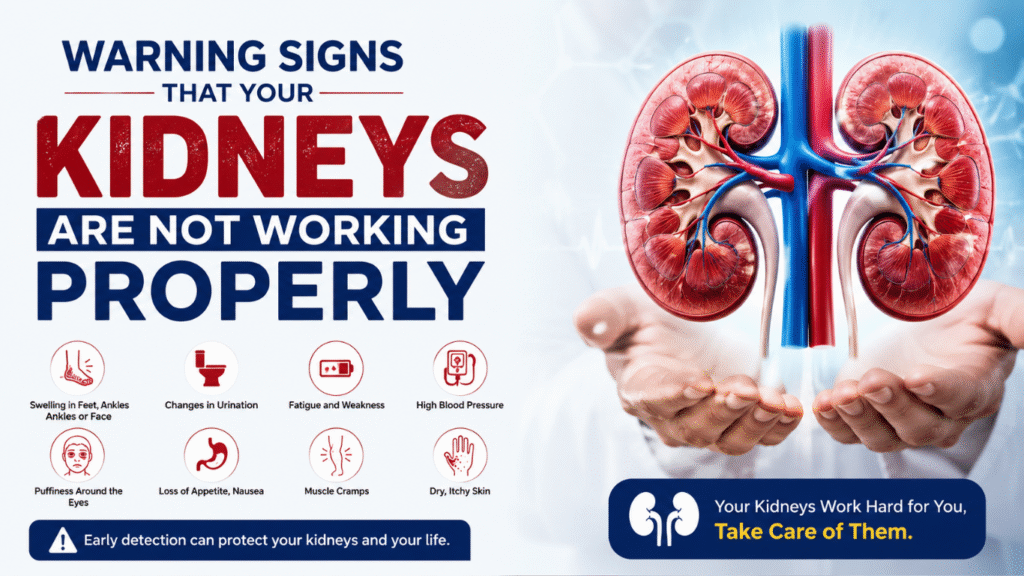
Your kidneys play a very important role in keeping your body healthy. They remove waste, balance fluids, control blood pressure, and help maintain overall health. But when the kidneys stop working properly, the body starts giving warning signs that should never be ignored.
Many people ignore these early symptoms because they seem small or common. However, identifying kidney problems early can help prevent serious complications in the future.
At Innocent Hearts Superspeciality Hospital, experienced doctors and kidney specialists help patients detect and manage kidney-related conditions at the right time.
What Are the Signs Your Kidney Is Not Working Well?
Here are some common warning signs that may indicate your kidneys are not functioning properly:
1. Swelling in Feet, Ankles, or Face
One of the earliest signs of kidney problems is swelling in the body. When kidneys cannot remove extra fluid properly, fluid starts building up in tissues, especially in the feet, legs, ankles, hands, or face.
If swelling happens regularly without any clear reason, it should be checked by a doctor.
2. Changes in Urination
Changes in urination are often linked to kidney health. You may notice:
- Frequent urination, especially at night
- Foamy or bubbly urine
- Blood in urine
- Dark-colored urine
- Pain or burning while urinating
- Reduced urine output
These symptoms can indicate kidney infection, kidney stones, or poor kidney function.
3. Constant Fatigue and Weakness
Healthy kidneys help produce a hormone that supports red blood cell production. When kidneys are damaged, the body may develop anemia, leading to tiredness, weakness, low energy, and difficulty concentrating.
Feeling exhausted all the time without a clear reason should not be ignored.
4. High Blood Pressure
High blood pressure and kidney disease are closely connected. Poor kidney function can increase blood pressure, and uncontrolled blood pressure can further damage the kidneys.
People with long-term hypertension should regularly monitor kidney health.
5. Puffiness Around the Eyes
Persistent puffiness around the eyes can be a sign that protein is leaking into the urine due to damaged kidney filters.
This symptom is often overlooked but may indicate early kidney disease.
6. Loss of Appetite and Nausea
When waste products build up in the body due to poor kidney function, people may experience:
- Nausea
- Vomiting
- Bad taste in the mouth
- Loss of appetite
These symptoms usually become more noticeable as kidney disease progresses.
7. Muscle Cramps and Dry Skin
Kidney problems can affect the balance of minerals and nutrients in the body. This may cause muscle cramps, dry skin, itching, and discomfort.
Frequent cramps without heavy physical activity may be linked to kidney health issues.
Common Causes of Kidney Problems
Several conditions can affect kidney function, including:
- Diabetes
- High blood pressure
- Kidney stones
- Kidney infections
- Excessive painkiller use
- Dehydration
- Family history of kidney disease
Early diagnosis can help prevent severe kidney damage.
When Should You Visit a Kidney Specialist?
You should consult a doctor if you notice symptoms like swelling, changes in urination, fatigue, or persistent high blood pressure.
Getting tested early can help detect kidney disease before it becomes serious. Blood tests, urine tests, and imaging scans are commonly used to evaluate kidney health.
If you are looking for a trusted kidney hospital in Jalandhar or an experienced kidney specialist in Jalandhar, expert medical support is available at Innocent Hearts Superspeciality Hospital.
Frequently Asked Questions (FAQs)
Early signs include swelling, fatigue, frequent urination, foamy urine, high blood pressure, and loss of appetite.
Common symptoms include changes in urination, swelling in the body, tiredness, nausea, and muscle cramps.
Yes, some kidney conditions such as kidney stones or infections can cause pain in the lower back or side area.
Diabetes, high blood pressure, infections, dehydration, and long-term use of certain medicines can damage the kidneys.
Proper hydration supports kidney health, but severe kidney disease requires medical treatment and evaluation.
You should consult a kidney specialist if you experience swelling, urinary changes, or persistent high blood pressure.
Yes, early diagnosis and proper treatment can help slow or manage kidney disease effectively.
Conclusion
Kidney disease often develops slowly, and many people do not notice symptoms in the early stages. Paying attention to warning signs such as swelling, tiredness, urinary changes, and high blood pressure can help protect your kidney health.
Regular health checkups, proper hydration, healthy eating, and timely medical consultation can reduce the risk of serious kidney complications.