


Common Skin Problems During Monsoon: Prevention Tips
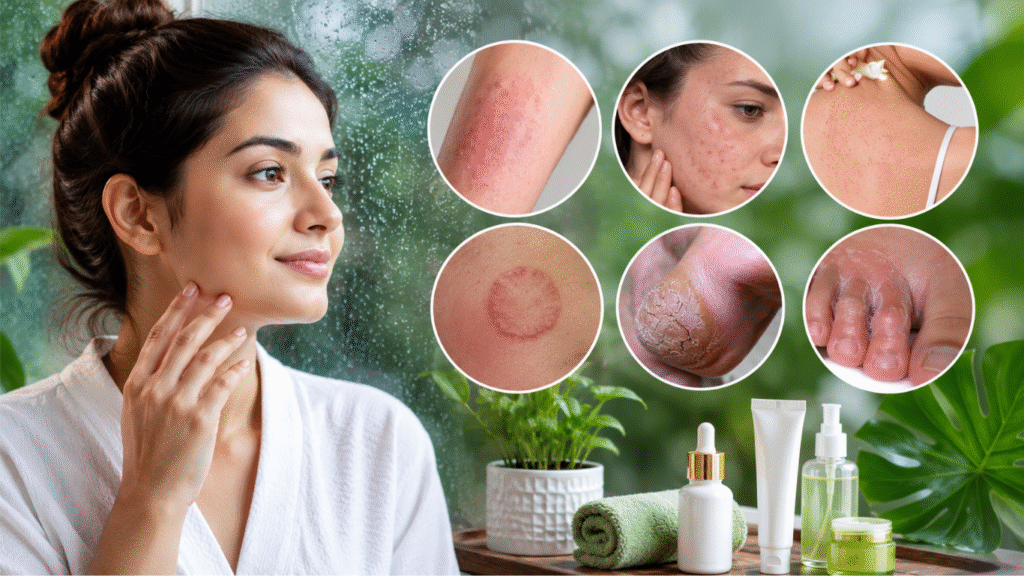
The monsoon season brings welcome relief from the summer heat, but it also creates the perfect environment for many skin problems. Increased humidity, sweating, damp clothes, and exposure to rainwater can lead to fungal infections, acne breakouts, skin allergies, and itchy rashes.
While some skin conditions may seem minor at first, ignoring them can make symptoms worse and increase the risk of infection. Understanding the common skin problems during monsoon and taking timely preventive measures can help keep your skin healthy throughout the rainy season.
If you experience persistent skin irritation or recurring infections, consulting an experienced dermatologist in Jalandhar can help you receive the right diagnosis and treatment.
Facing Skin Problems This Monsoon?
Consult Dr. Inderpreet Kaur at Innocent Hearts Superspeciality Hospital, Jalandhar for expert diagnosis and treatment.
- Humidity during monsoon increases the risk of fungal and bacterial skin infections.
- Maintaining good hygiene is the best preventive measure.
- Never ignore persistent itching, redness, or rashes.
- Early consultation helps prevent complications.
- A qualified dermatologist can identify the exact cause and recommend the most appropriate treatment.
Why Do Skin Problems Increase During Monsoon?
The combination of high humidity, sweat, and moisture creates an ideal environment for bacteria and fungi to grow. Wet footwear, damp clothing, poor hygiene, and reduced exposure to sunlight can further increase the risk of skin infections.
Common reasons include:
- Excessive sweating
- Humid weather
- Wet clothes and shoes
- Poor skin hygiene
- Increased bacterial and fungal growth
- Oily skin due to excess moisture
Common Skin Problems During Monsoon
1. Fungal Infections
Fungal infections are among the most common skin problems during monsoon. They usually affect warm and moist areas such as the feet, groin, underarms, and skin folds.
Symptoms include:
- Red patches
- Persistent itching
- Burning sensation
- Circular rashes
- Skin peeling
Keeping your skin dry and wearing breathable cotton clothing can reduce the risk of fungal infections.
2. Acne Breakouts
Humidity causes excess oil production, which blocks pores and leads to acne.
Signs include:
- Pimples
- Whiteheads
- Blackheads
- Painful acne bumps
Wash your face twice daily with a gentle cleanser and avoid touching your face frequently.
3. Heat Rash
Heat rash develops when sweat gets trapped under the skin.
Common symptoms:
- Tiny red bumps
- Itching
- Burning sensation
- Skin irritation
Loose-fitting clothes and keeping your body cool can help prevent heat rash.
4. Skin Allergies
Many people experience allergic reactions during the rainy season due to pollen, dust, mold, and increased humidity.
Symptoms may include:
- Itching
- Redness
- Swelling
- Small rashes
If allergies become frequent, consult a skin specialist in Jalandhar for proper evaluation.
5. Eczema Flare-Ups
People with eczema often notice worsening symptoms during monsoon because moisture and sweating can irritate already sensitive skin.
Common signs include:
- Dry patches
- Itching
- Red inflamed skin
- Cracked skin
Proper moisturization and avoiding harsh soaps can help manage symptoms.
6. Athlete’s Foot
Athlete’s foot is a fungal infection that develops between the toes due to wet socks and shoes.
Symptoms:
- Itching
- Cracked skin
- Peeling
- Bad odor
Always dry your feet properly after getting wet.
Quick Comparison of Common Monsoon Skin Problems
| Skin Problem | Main Cause | Common Symptoms |
|---|---|---|
| Fungal Infection | Humidity & sweat | Itching, red patches |
| Acne | Excess oil | Pimples, blackheads |
| Heat Rash | Blocked sweat glands | Tiny itchy bumps |
| Skin Allergy | Allergens | Redness, itching |
| Eczema | Skin irritation | Dry, itchy skin |
| Athlete’s Foot | Wet footwear | Peeling between toes |
How to Prevent Skin Problems During Monsoon
Following a few simple habits can significantly reduce your risk of skin infections.
Skin Care Tips
- Keep your skin clean and dry.
- Wear loose cotton clothing.
- Change wet clothes immediately.
- Dry your feet after rain.
- Avoid sharing towels.
- Drink enough water.
- Eat a balanced diet rich in fruits and vegetables.
- Use a gentle moisturizer if your skin feels dry.
- Avoid scratching itchy skin.
Myth vs Fact
Myth
Rainwater is always clean for your skin.
Fact
Rainwater may contain pollutants, dust, and microorganisms that can irritate the skin.
Myth
Humidity keeps the skin naturally hydrated.
Fact
Humidity can increase oil production but may still damage the skin barrier, causing irritation.
Myth
All skin rashes heal on their own.
Fact
Some rashes are caused by infections and require proper medical treatment.
When Should You Visit a Dermatologist?
Consult a dermatologist if you notice:
- Skin infection lasting more than a week
- Severe itching
- Painful or spreading rashes
- Pus-filled boils
- Frequent fungal infections
- Sudden skin discoloration
- Recurring acne despite proper skincare
Early diagnosis can prevent complications and speed up recovery.
Facing Skin Problems This Monsoon?
Consult Dr. Inderpreet Kaur at Innocent Hearts Superspeciality Hospital, Jalandhar for expert diagnosis and treatment.
Expert Skin Care at Innocent Hearts Superspeciality Hospital
If you are looking for reliable skin treatment in Jalandhar, Innocent Hearts Superspeciality Hospital offers comprehensive dermatology services under the care of Dr. Inderpreet Kaur (MD Gold Medalist | DNB Dermatology).
Why choose Dr. Inderpreet Kaur?
✔ Board-certified dermatologist with advanced dermatology training
✔ Comprehensive treatment for skin, hair, and nail disorders
✔ Medical, cosmetic, and aesthetic dermatology under one roof
✔ Personalized treatment plans based on clinical evaluation
✔ NABH-accredited superspeciality hospital in Jalandhar
Every skin condition is different, and treatment is recommended only after a detailed clinical evaluation to ensure the best possible outcome.
Frequently Asked Questions
1. What are the most common skin problems during monsoon?
Fungal infections, acne, heat rash, eczema flare-ups, skin allergies, and athlete’s foot are among the most common skin problems during the rainy season.
2. Why do fungal infections increase during monsoon?
High humidity, excessive sweating, and damp clothing create ideal conditions for fungal growth, making infections more common during monsoon.
3. How can I protect my skin during the rainy season?
Keep your skin clean and dry, wear breathable cotton clothes, avoid staying in wet clothes, maintain good hygiene, and consult a dermatologist if symptoms persist.
4. When should I see a dermatologist for a skin infection?
You should consult a dermatologist if itching, redness, rashes, or infections last more than a week, spread quickly, or become painful.
5. Where can I get expert skin treatment in Jalandhar?
You can consult Dr. Inderpreet Kaur at Innocent Hearts Superspeciality Hospital, where comprehensive diagnosis and personalized skin treatment are available.
6. Can humidity make acne worse?
Yes. Increased humidity often leads to excess oil production, clogged pores, and bacterial growth, which can trigger acne breakouts.
Conclusion
The rainy season can be enjoyable, but it also brings several skin-related challenges. Knowing the common skin problems during monsoon and following simple preventive measures can help protect your skin from infections and irritation.
If your symptoms persist or worsen, avoid self-medication and seek expert medical advice. Dr. Inderpreet Kaur at Innocent Hearts Superspeciality Hospital provides personalized care for a wide range of skin, hair, and nail disorders, helping patients achieve healthier skin through evidence-based treatment.